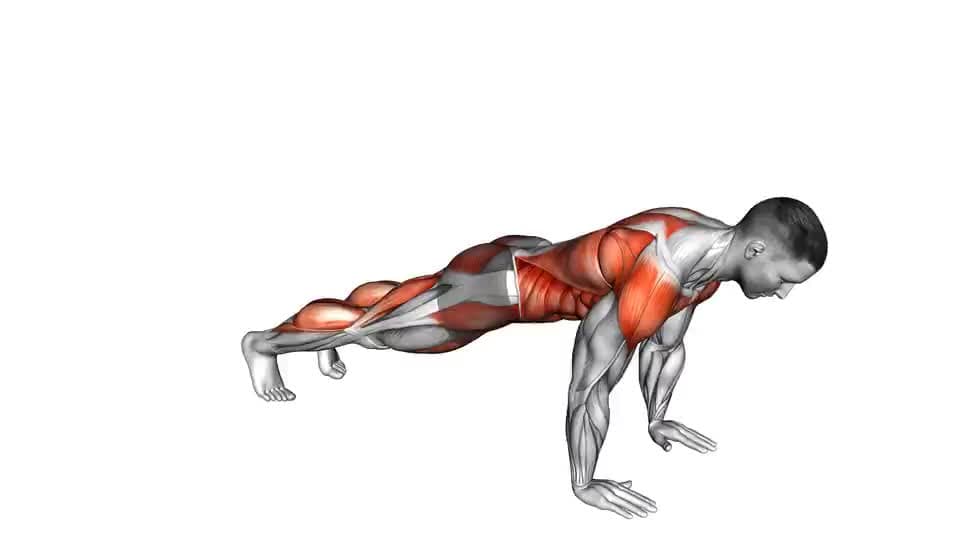
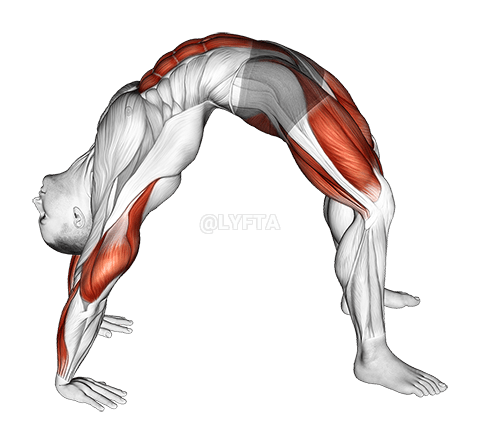
Downward Facing Dog
Exercise Profile
Related Exercises:



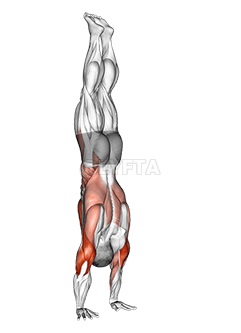
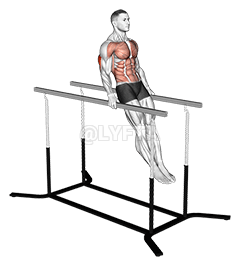


Get the exercise library in your pocket!
Introduction to the Downward Facing Dog
Downward Facing Dog is a versatile yoga pose that provides numerous benefits including improved flexibility, strength, and circulation. It is suitable for individuals of all fitness levels, from beginners to seasoned yogis. People might want to incorporate this exercise into their routine as it helps to stretch the entire body, relieve stress, and improve digestion, making it an excellent choice for overall health and wellbeing.
Performing the: A Step-by-Step Tutorial Downward Facing Dog
- Lift your hips up towards the ceiling, straightening your legs and pushing your heels down towards the floor to form an inverted V shape with your body.
- Spread your fingers wide on the mat and press down through your palms, keeping your head between your arms and looking towards your knees.
- Make sure your back is flat, and your weight is evenly distributed between your hands and feet.
- Hold this position for a few breaths, then gently lower your body back to the starting position.
Tips for Performing Downward Facing Dog
- **Correct Foot Position:** Your feet should be hip-width apart. Try to press your heels down towards the floor. If you're a beginner or have tight hamstrings, it's okay if your heels don't touch the ground. Avoid walking your feet too close to your hands, as this can put unnecessary strain on your shoulders and neck.
- **Engage Your Core and Legs:** This pose is not just about flexibility, but also about strength. Engage your core muscles and quadriceps to lift your hips up and back. This will help to take some pressure off your wrists and shoulders. A common mistake is to let the belly and ribs sag towards the floor, which can put
Downward Facing Dog FAQs
Can beginners do the Downward Facing Dog?
Yes, beginners can definitely do the Downward Facing Dog exercise. However, it might be challenging at first as it requires strength, flexibility, and balance. It's important to learn the correct form and not to push too hard to prevent injury. It can be helpful to start with a modified version of the pose, such as bending the knees, until strength and flexibility improve. As always, beginners should consider seeking advice from a certified yoga instructor or a fitness professional to ensure they are performing exercises correctly.
What are common variations of the Downward Facing Dog?
- Dolphin Pose: In this variation, you would place your forearms on the ground instead of your palms, which can help build upper body strength.
- Three-Legged Downward Dog: Here, you would lift one leg up towards the ceiling while in the pose, which can help improve balance and strength.
- Downward Dog with Twist: This involves reaching one hand to the opposite ankle or calf, which can help stretch the hamstrings and shoulders.
- Downward Dog with Bent Knee: This variation involves bending one knee at a time while in the pose, which can help stretch the calf muscles and Achilles tendon.
What are good complementing exercises for the Downward Facing Dog?
- The Cobra Pose also complements the Downward Facing Dog by providing a counter-stretch to the spine and opening up the chest and shoulders, which can become tight from the Downward Facing Dog.
- Child's Pose is another good complementary exercise to Downward Facing Dog because it provides a gentle stretch to the lower back and hips, areas that are engaged during the Downward Facing Dog, and it also offers a moment of rest and relaxation between more strenuous poses.
Related keywords for Downward Facing Dog
- Downward Dog exercise
- Bodyweight workout for upper arms
- Yoga pose for thighs
- Downward Facing Dog yoga pose
- Bodyweight exercise for arms and thighs
- Yoga for upper body strength
- Strengthen thighs with Downward Dog
- Arm toning yoga poses
- Downward Dog pose for leg muscles
- Bodyweight training for upper arms and thighs
Do Downward Facing Dog in the Lyfta app
Save this exercise, log your sets, and follow full workouts — free on iOS and Android.